
Play It Safe, Play It Legal: Your Guide to Canadian Gambling
PlayCanada covers online gambling Canada players can trust: regulated sites only. We follow the news from every province, check each operator against the provincial regulator's list, and explain the rules in plain words. Our main focus is Ontario and Alberta, the two provinces with open markets.

Latest gambling news
PlayCanada's news desk follows the changes that affect players, such as operators joining or leaving a province, new payment rules and responsible gambling policy.

Ontario betting revenue jumps 47 per cent in September
Ontario sports betting revenue rose 47% on the year in September 2026, as operators kept more of each dollar wagered. Casino revenue set a third straight record.
Read more →
How to Sign Up for a Regulated iGaming or Sports Wagering in Alberta
How to find AiGC-listed sites and finish sign-up safely in Alberta.
Read more →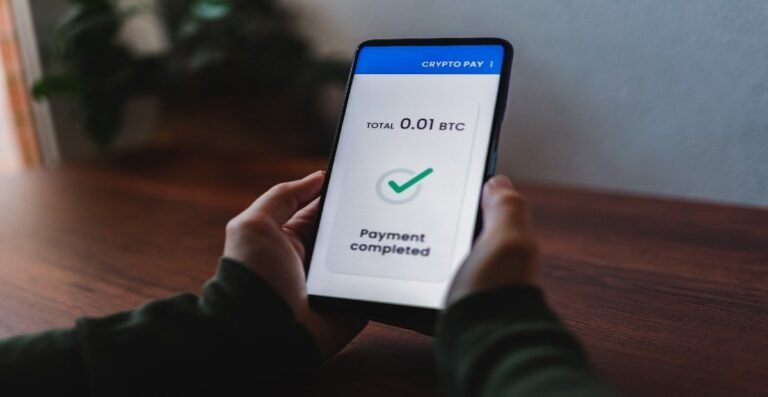
Does Alberta Allow Cryptocurrency for Online Gambling?
Why Alberta's regulated sites don't take crypto, and what to use instead.
Read more →Best sportsbooks in Canada right now
The sites below are authorized in Canada, most of them in Ontario and Alberta. In the other provinces, the provincial lottery corporation runs the only authorized site.




Affiliate Disclosure: If you place a bet at a sportsbook or online casino through one of our links, we may earn an affiliate commission. This may influence the gambling operators we list. However, the editors and writers of this website operate at their sole discretion, and their opinions are not beholden to any outside entity or organization. We recommend only legal and trusted gambling operators.
Ontario: 19+. Play within your limits. If gambling is a problem, call ConnexOntario at 1-866-531-2600, or self-exclude with BetGuard.
Alberta: 18+. Play within your limits. If gambling is a problem, call 211 Alberta, or visit GameSense (gamesenseab.ca).
What can we help you find?
Gambling by province
Know the rules
Online casinos
Online poker
Lottery and retail casinos
Canada online gambling market snapshot
Best online casinos in Canada right now




Affiliate Disclosure: If you place a bet at a sportsbook or online casino through one of our links, we may earn an affiliate commission. This may influence the gambling operators we list. However, the editors and writers of this website operate at their sole discretion, and their opinions are not beholden to any outside entity or organization. We recommend only legal and trusted gambling operators.
Ontario: 19+. Play within your limits. If gambling is a problem, call ConnexOntario at 1-866-531-2600, or self-exclude with BetGuard.
Alberta: 18+. Play within your limits. If gambling is a problem, call 211 Alberta, or visit GameSense (gamesenseab.ca).
Is online gambling legal in Canada?
Online gambling is legal in Canada when your province authorizes the site. Each province decides how gambling runs inside its borders. Private operators have been allowed in Ontario since April 2022 and in Alberta since July 2026.
Lottery corporations run the games. In most provinces they also run the only authorized website.
Regulators such as the AGCO in Ontario and the AGLC, Alberta's gaming regulator, set the rules, register operators and enforce standards.
Private operators are allowed only in Ontario and Alberta, with an agreement with a Crown agency and a regulator's registration.
Offshore sites hold licences from outside Canada, so provincial self-exclusion, complaints and player-fund rules don't apply.
How online gambling is regulated across Canada
Online gambling in Canada is run province by province. Your province decides which sites are legal for you, who checks them, and what protections you get. Canada has no national gambling licence and no national regulator.
Three kinds of body share the work:
- Lottery corporations (OLG, BCLC, Loto-Québec, Manitoba Liquor & Lotteries, Atlantic Lottery) run the games. In most provinces they also run the only authorized website.
- Provincial regulators (the AGCO in Ontario, the AGLC in Alberta, GPEB in British Columbia, the LGCA in Manitoba) set the rules, register operators and enforce standards.
- Private operators are allowed only in Ontario and Alberta. Each private operator signs an agreement with a Crown agency and registers with the regulator. Without both, a brand can’t legally take bets there.
Offshore gambling sites
Offshore gambling sites hold a licence from Kahnawà:ke, Curaçao, Malta or Anjouan instead of a Canadian province, which is why they’re often called the grey market. Those licences come from outside Canada and give no right to operate in any province. On these sites, provincial self-exclusion, complaint handling and player-fund rules don’t apply.
Why provinces are in charge of gambling
Federal law bans gambling unless a province runs it. That’s why each province decides which gambling sites are legal there. Since 2021, federal law also lets provinces offer single-game bets. Our guide to Canadian gambling law covers the details.
Each provincial market keeps changing. Ontario’s list of sites shifts most months, Alberta is still adding brands after its 2026 launch, and Saskatchewan has kept a single online operator until September 2029. You can follow each one in our guides to gambling in Ontario, Alberta and the rest of Canada.
Ontario’s regulated online gambling market
Ontario’s online gambling market is the largest regulated market in Canada. At the September 2026 count, iGaming Ontario listed 49 operators running 84 sites, alongside OLG.ca and PROLINE+.
Three bodies run Ontario’s market:
- The AGCO registers operators and enforces the rules.
- iGaming Ontario (iGO) signs an operating agreement with each private brand.
- OLG, the lottery corporation, runs its own sites in competition with private brands.
What Ontario’s rules mean for players:
- Location check at every login. A VPN gets you blocked.
- ID check before you can play.
- Limits: you can tighten deposit, loss or time limits at once, but loosening them takes at least 24 hours.
- Self-exclusion: BetGuard blocks you from every regulated site and OLG.ca with one sign-up (live since May 2026).
- Complaints: if an operator doesn’t fix a problem, you can take it to the AGCO.
To check an Ontario site, search for it on iGO’s directory. A brand missing from that list has no Ontario registration, and our Ontario online gambling guide explains the market in full.
Alberta online gambling laws
Alberta’s online gambling market opened to private operators on July 13, 2026, with 22 sites live on day one. PlayAlberta, the provincial platform since 2020, stays open next to them.
Two bodies run Alberta’s market:
- The AGLC, Alberta’s gaming regulator, registers operators, sets standards and runs self-exclusion.
- The Alberta iGaming Corporation (AiGC) signs operating agreements, checks anti-money-laundering rules and hears escalated complaints.
What Alberta’s rules mean for players:
- Legal age is 18, one year lower than Ontario.
- No cryptocurrency. A site taking Bitcoin isn’t registered in Alberta.
- Location and ID checks, same as Ontario.
- Required tools: deposit caps, session limits and activity statements on every site.
- Self-exclusion through selfexclusion.ca covers PlayAlberta and every registered site.
To check an Alberta site, look for the AiGC logo and search the AiGC list of registered sites. Operators had until October 13, 2026 to launch or exit, so the list is still settling. Our Alberta online gambling guide follows each change.
How to identify licensed gambling sites in Canada
A licensed gambling site in Canada is easy to confirm. Here is every way to check a site’s licence before you sign up:
- Find it on the official list. Ontario: the iGaming Ontario directory. Alberta: the AiGC list of registered sites and the AiGC logo. Other provinces: only your lottery corporation’s site is authorized.
- Read the footer. It should name the company, an address and the provincial regulator. A Malta or Curaçao seal isn’t provincial approval.
- Expect location and ID checks. Regulated sites confirm where you are at every login and who you are before you play. A site that skips them isn’t following provincial rules.
- Check the payment terms. Money goes back to a method in your name. Withdrawal limits and processing times should be written down in the terms.
- Look for game testing. Ontario and Alberta require independent labs to test every game. The RTP is shown in the game’s help screen.
- Find the safety tools and a complaints route. Deposit limits, time-outs, self-exclusion and a named body to complain to (the AGCO in Ontario, the AiGC in Alberta). If live chat is the only route, there’s no real route.
What “best” and “top” gambling sites should mean for Canadian players
Many lists of the best online gambling sites in Canada mix provincially regulated brands with offshore ones, often ranked by sign-up offers. An offshore site can look polished and still leave you with no Canadian regulator to turn to if a withdrawal stalls.
PlayCanada only covers sites registered with a Canadian province. Registration is only our starting line. Our editor has used betting and casino apps for about a decade, so we know what separates a good site from one that only looks good. Among registered sites, we judge what matters once you’ve signed up:
- Clear terms you can read before you deposit
- Reliable payouts within the stated time
- Tested games with published RTP
- Easy safety tools in account settings
- Helpful support and a regulator behind it
We judge any list of top gambling sites in Canada this way, including ours. We don’t rank by promotion.
Types of online gambling in each province
Not every province offers the same games online. The table shows which types of legal online gambling (casino, sports betting and poker) are available in each province.
Legal ages, payments, safer play and tax in Canada
Ontario and Alberta have the widest choice of licensed gambling sites, with dozens of private brands next to the provincial platform. The other provinces usually have one lottery-run site for casino games and sports betting. The three territories have no locally regulated online gambling.
Legal gambling ages and provincial differences
The legal gambling age in Canada is set by each province and territory. In some places, the age for lottery tickets is lower than for casinos and sports betting. The table shows both.
| Province or territory | Casino, online gambling and sports betting | Lottery tickets |
|---|---|---|
| Alberta | 18 | 18 |
| British Columbia | 19 | 19 |
| Manitoba | 18 | 18 |
| New Brunswick | 19 | 19 |
| Newfoundland and Labrador | 19 | 19 |
| Nova Scotia | 19 | 19 |
| Ontario | 19 | 18 |
| Prince Edward Island | 19 | 19 |
| Quebec | 18 | 18 |
| Saskatchewan | 19 | 18 |
| Northwest Territories | 19 | 18 |
| Nunavut | 19 | 18 |
| Yukon | 19 | 18 |
The legal gambling age that applies is the one in the province where you play. So an 18-year-old from Manitoba visiting Ontario can’t play on an Ontario site.
Every regulated site checks your date of birth at sign-up. If a site lets you play before any age check, treat that as a warning sign.
Payments, verification and withdrawals explained
Regulated Canadian gambling sites pay in Canadian dollars. Our guide to casino payment methods compares them all, and these are the most popular:
- Interac e-Transfer: the most common choice, since Interac casinos take money straight from a Canadian bank account.
- Debit and credit cards: widely accepted, but some banks block gambling payments.
- E-wallets: PayPal is offered at a smaller group of PayPal casinos in Canada.
- Prepaid vouchers: a Paysafecard casino lets you deposit without sharing bank details.
- Direct bank transfer: slower, but useful for larger amounts.
Identity verification
Identity verification is required on every regulated Canadian site. Expect a photo ID request before your first withdrawal, and sometimes a utility bill. Large deposits can bring a source-of-funds question, answered with a bank statement. Regulated sites must ask under anti-money-laundering law.
Withdrawals
Withdrawals on regulated sites go back to the method you deposited with. Each site publishes its processing time in the cashier, and that published time is the one to trust. Sites that pay out quickest are compared in our fastest payout casino guide.
Responsible gambling tools and support in Canada
Responsible gambling tools are required on every regulated Canadian site. These tools are usually in account settings. Here’s what each one does and how to use it:
- Deposit or loss limit: set a daily, weekly or monthly cap. Lowering a limit works at once; raising it takes at least 24 hours in Ontario.
- Session timer and reality checks: set a time reminder that pops up while you play.
- Time-out: take a break of a day or more. A time-out can’t be ended early.
- Self-exclusion: block yourself for months or years. Ontario’s BetGuard covers all regulated sites and OLG.ca (6 months to 5 years). Alberta’s selfexclusion.ca covers PlayAlberta and every registered site. Other provinces offer it in account settings.
How much gambling is too much?
The Lower-Risk Gambling Guidelines from the Canadian Centre on Substance Use and Addiction suggest:
- No more than 1% of household income before tax per month
- No more than 4 days a month
- No more than 2 types of games
Where to get help with problem gambling
Support for problem gambling is free and confidential in every province:
- Ontario: ConnexOntario, 1-866-531-2600, open 24/7. OLG’s PlaySmart explains how games work.
- Alberta: the Alberta Addiction Helpline, 1-866-332-2322 (24/7), and AGLC’s GameSense.
- British Columbia and Manitoba: GameSense advisers on PlayNow.
- Quebec: Loto-Québec’s help line and tools on Espacejeux.
- Atlantic Canada: PlayWise on alc.ca and your province’s addiction services line.
- Across Canada: the Responsible Gambling Council and Gamblers Anonymous.
Every tool and help line by province is listed in our responsible gambling guide.
Are gambling winnings taxable in Canada?
No, gambling winnings in Canada aren’t taxed for most players. The Canada Revenue Agency treats a win from chance as a tax-free windfall. Losses can’t be deducted either.
The exception to tax-free winnings is gambling run as a business. To decide, the CRA weighs four things:
- How organized your play is (a system, records, a schedule)
- How much it depends on skill rather than luck
- Whether you play with a clear aim to make a profit
- Whether gambling is how you earn your living
A simple tax example
- You win $10,000 on a slot jackpot as a casual player. You pay no tax on it.
- You put that $10,000 in a savings account. The interest it earns is taxed.
- A poker player whose only income is poker, who plays to a plan and tracks every session, meets all four tests. Their profits can be taxed as business income.
US casinos and sportsbooks may also hold back tax on winnings under American rules. If you play often or at high stakes, talk to an accountant.
Editorial disclaimer
PlayCanada checks legal status with regulators and Crown corporations, never with operator marketing. We review this page whenever a province changes its rules or a site joins or leaves a regulated list, and at least once a quarter. This page gives general information and nothing more. It doesn’t rank or endorse any operator, and it isn’t legal, tax or financial advice. Rules change, so check with your province’s regulator and read an operator’s terms before you sign up.
What you can legally play in Canada
When it comes to Canadian online gambling, there are numerous ways to play from every province. Across the country, there are a variety of Canada online gambling sites, including casinos, sportsbooks, poker, and sweepstakes options. Each province has its own laws regarding online gambling, and here at PlayCanada, we strive to help sort out and present all the options to help you make informed choices. Keep it here for all the latest developments in online gambling, including our up-to-date recommendations for the best gambling sites Canada has to offer.
Online casinos
Finding the best online casinos Canada has to offer involves more than just selecting the largest game library. When it comes to real-money online casinos, Canada has an incredibly diverse selection, with the market varying widely by province.
Online casino guide →Sports betting
Online sports betting is legal in Canada. That means sports bettors can access regulated online sportsbooks in each of the country’s 10 provinces, while in-person sports betting is available in the territories.
Sports betting guide →Poker
The biggest and best online poker brands are legal in Canada. That means you have a big choice of online poker sites and this includes BetMGM Poker.
Poker guide →Slots
Slots fans have access to the biggest and best online casinos in Canada through Ontario, and with it comes a long list of the most popular online slots from the biggest game producers. Many of the online slots in Canada have big win potential, including progressive jackpots that can reach life-changing levels.
Slots guide →Lottery
Lottery draws are hugely popular in Canada — and for good reason. For a relatively small outlay, anyone who plays has the chance to become instantly rich.
Lottery guide →Canada online gambling FAQ
The legal gambling age in Canada is 19 in most provinces and 18 in Alberta, Manitoba and Quebec. Ontario, Saskatchewan and the three territories let 18-year-olds buy lottery tickets, but other gambling there starts at 19.
Online gambling is legal in Canada on sites your province authorizes. Ontario and Alberta allow private operators next to the provincial platform. In every other province, the lottery corporation’s site (such as PlayNow, Espacejeux or alc.ca) is the only authorized option.
No, Canadian gambling wins aren’t taxed for casual players, including lottery prizes, jackpots and sports bets. Professional players whose gambling works like a business may be taxed on profits. Interest earned on your winnings is taxed as usual.
No, offshore gambling sites aren’t authorized in any Canadian province, so they operate outside Canadian law. A Curaçao, Kahnawà:ke or Malta licence also gives players no provincial self-exclusion, complaint handling or player-fund rules. For safe play with full protection, stick to sites registered in your province.
To check a gambling site’s licence, search the iGaming Ontario directory in Ontario, or the AiGC directory in Alberta and look for the AiGC logo. In other provinces, only the lottery corporation’s site is authorized. If a site isn’t on these lists, it isn’t licensed where you live.
Yes, online gambling has been legal on private sites in Alberta since July 13, 2026. The AGLC registers operators, and the AiGC signs their agreements. PlayAlberta is still open. You must be 18 and in Alberta to play, and regulated sites can’t take crypto.
iGaming Ontario and the AGCO split Ontario’s oversight. The AGCO is the regulator: it registers operators, sets standards and issues fines. iGaming Ontario signs an operating agreement with each brand. A private brand needs both before it can take bets in Ontario.
No, a VPN won’t let you play on another province’s gambling sites. Regulated sites check your location at every login, and a VPN usually leads to a block or a frozen account. If you move provinces, contact the operator to update your account.
Meet the PlayCanada team
Up-to-date news, operator information and player-focused analysis of Canada's legal and regulated online gambling markets, from local gambling journalists and industry experts.

Tyler Andrews is Head of Content at PlayCanada.com.

Alec Cunningham is a content editor and analyst covering Canada’s sports betting and online casino industry.

Corey Sharp is the Lead Writer at PlayCanada.com, with comprehensive coverage of sports betting and gambling throughout Canada.

Vanessa Phillimore is a seasoned Alberta-based iGaming writer specializing in online casino reviews, game guides, and industry insights.

Ijeoma Izuchukwu has taken on writing roles at international writing agencies, covering markets in the UK, Canada, the US, Australia, and other lesser-known markets around the world.

Noah D’mello is a journalist covering Canada’s online gambling market, with a focus on Alberta’s regulated iGaming market, which opened in July 2026. His work breaks down regulation, operator strategy, and player access into clear, actionable insights.

I have more than 30 years of experience and my work has been published by more than 100 newspapers and magazines around the world.